 K-BOOTH
Yo, Yeosu! How to Say Hello and Vibe Like a Local
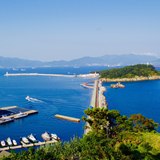
Photo: Pixabay
Nestled along the scalloped southern coast of South Korea, Yeosu is a city defined by glittering night harbors, ocean breezes, and a legendary food culture. While travelers often arrive expecting the polite, crisp standard Korean heard in Seoul subway broadcasts and beginner language textbooks, they are quickly greeted by something far warmer and more rhythmic. This coastal paradise belongs to Jeollanam-do, a province renowned for its rich culinary heritage and its soulful dialect, known as Jeolla satoori.
For young travelers visiting from overseas, nothing opens doors faster than speaking the local linguistic vibe. You do not need to memorize an entire dialect textbook to make an impression. Picking up a few everyday slang terms, playful filler words, and regional conversational tags will instantly transform you from a polite tourist into an enthusiastic guest who appreciates the heartbeat of the city.
The Coastal Greeting: How Locals Truly Say Hello
In standard Korean, everyone learns to greet each other with the formal textbook greeting. While that greeting is polite and always understood, everyday Korean social connection runs much deeper than just asking about peace. In Korean culture, checking whether someone has eaten is the traditional way to show affection, hospitality, and real care. In southwestern hubs like Yeosu, this sentiment carries a distinct regional melody.
You will frequently hear locals greet their peers and familiar visitors with this affectionate check-in: "밥 묵었어잉?" (bap mugeosseo-ing?) — Did you eat? Instead of the standard Seoul phrasing, speakers here shift the vowel in the word for eating and round off the sentence with a soft, drawn-out nasal ending. Older market vendors, guesthouse hosts, or friendly neighborhood shopkeepers will often throw this phrase your way with a wide smile. When someone asks you this in Yeosu, they are welcoming you into their circle. Simply answer that your belly is full, or let them know you are on the hunt for dinner, and watch their faces light up.
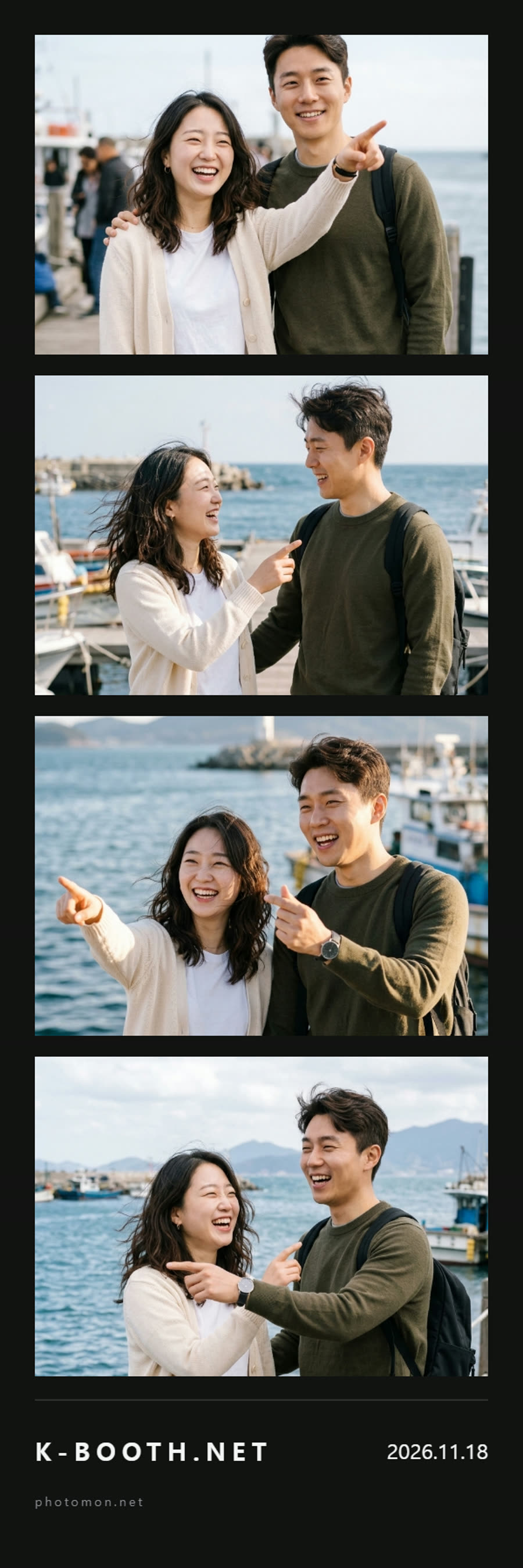 Take a 4-cut like this with your friends →
Expressing Pure Emotion: Colorful Jeolla Exclamations
Jeolla dialect is famous across South Korea for its raw expressive power. Conversations in Yeosu carry a musical bounce, and feelings are never hidden behind stiff formality. If you want to react naturally during your coastal travels, these three colorful expressions will help you communicate astonishment, excitement, and awe just like a resident.
- "아따" (atta) — Man! / Whoa! Locals use this punchy exclamation at the beginning of a sentence when they want to convey surprise, disbelief, frustration, or pure admiration. If you step onto a high seaside overlook and the ocean view blows your mind, dropping this word before reacting captures the feeling perfectly.
- "오메" (ome) — Oh my goodness! / Wow! Similar to an energetic gasp, this classic southwestern interjection appears when something startling or deeply satisfying happens. You will hear market aunties exclaim it when recounting a wild story, or dinner companions shout it the moment a massive seafood stew begins to bubble on the table.
- "허벌나게" (heobeolnage) — Incredibly / Super! While standard speakers use ordinary adverbs for emphasis, Jeolla speakers level up with this iconic regional intensifier. When paired with words for delicious, cool, or pretty, it signals that an experience is truly out of this world.
The Legendary Swiss Army Knife of Korean Slang
Perhaps the most famous word in all of southwestern Korea is a placeholder that does not exist in standard English textbooks. If you spend any time hanging around local markets, bus stops, or seaside piers in Yeosu, you will hear this linguistic wild card repeated multiple times in a single sentence: "거시기" (geosigi) — Whatchamacallit / You know what.
This phrase serves as the ultimate conversational placeholder when your mind temporarily blanks on a specific noun, verb, or name. What makes it legendary is that native speakers somehow always understand what the other person means based purely on context, facial gestures, and timing. If you are standing at a street stall pointing toward a skewer or trying to recall the name of an island you want to visit, tossing in this friendly placeholder will earn an appreciative laugh from the locals.
Keeping the Momentum: Everyday Conversational Slang
Once a conversation gets rolling, you need natural ways to agree, react, and encourage your travel buddies. In the streets of Yeosu, two vibrant slang phrases keep the energy moving during busy days and long night walks.
- "그라제" (geuraje) — That is right! / Right on! In standard Korean, agreeing with someone often sounds somewhat formal, but this phrase turns agreement into an enthusiastic high-five. If your travel companion says that the ocean breeze feels fantastic or that the dinner spread is unforgettable, hitting them with this phrase confirms you are fully on the exact same wavelength.
- "싸게싸게" (ssage-ssage) — Hurry up / Quickly! While visitors across the country quickly learn the nationwide call for speed, southwestern regions frequently double up this regional alternative. You will hear friends urge each other to pack their gear, hustle toward the ferry dock, or finish up before a scenic sunset disappears behind the coastal hills.
The Secret Rhythm: Why Southern Endings Feel So Friendly
Beyond individual vocabulary words, the real magic of Yeosu speech lives in its sentence endings. In Seoul, conversational statements tend to end with a crisp flat tone, but southwestern Korean softens its delivery by adding gentle nasal flourishes. Sentences frequently conclude with a melodic tag that sounds like a cheerful nudge. It is the Korean linguistic cousin of the friendly Canadian tag that invites the listener into the dialogue.
Similarly, when locals want to double down on an opinion or playfully remind someone of a fact, standard endings get swapped for emphatic regional suffixes like "~당께" (-dangkke). It translates loosely to telling someone that you already told them so or insisting on the truth of what you are saying. Even as a language learner with an accent, simply letting your intonation rise slightly and softening the ends of your phrases demonstrates that you are tuning your ears to the local culture.
Regional dialect terms are playful, expressive, and deeply appreciated when used in casual situations among peers or during warm interactions at lively food markets. However, when you enter government offices, ticket desks, or formal hotel receptions, stick to standard polite Korean honorifics to show proper respect.
Take a 4-cut photo with your friends here, wherever they are.