 K-BOOTH
Sunset at Gyeongbokgung: A Royal Glow Over Seoul
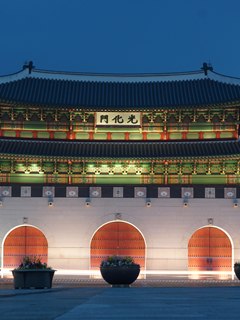
Photo: choe / Pixabay
As the afternoon light begins to dip over downtown Seoul, the hum of city traffic softens against the stone walls of Gyeongbokgung Palace. Step through the towering gates into the grand courtyards, and the surrounding glass skyscrapers seem to melt away into the background. Before you lies an expansive stone plaza framed by sweeping pavilion eaves, with the rugged granite peaks of Mount Bugaksan rising immediately behind them. During golden hour, the pale stones drink in the amber light, and the distinctive curves of traditional Korean palace roofs take on a warm, radiant glow.
For travelers exploring Seoul, sunset at Gyeongbokgung offers one of the most serene breaks from urban exploration. It is a fleeting window of the day when daytime crowds thin out, the breeze picks up across open stone terraces, and the timeless artistry of the Joseon Dynasty reveals itself in quiet majesty.
Stepping into the Heart of the Joseon Dynasty
Gyeongbokgung stands as the primary and grandest royal residence among the Five Grand Palaces of Seoul. Founded in 1395 by King Taejo, the monarch who established the Joseon Dynasty, the complex served as the sovereign seat of government and the residence of kings for centuries. Its name translates poetically to the 'Palace Greatly Blessed by Heaven,' reflecting the dynasty's hope for enduring peace, prosperity, and wisdom.
The palace grounds have lived through profound transformations over six centuries. Much of the original compound fell into ruins during foreign invasions in the late sixteenth century and lay abandoned for nearly three centuries. In the 1860s, under the reign of King Gojong, a massive reconstruction revived the palace into an intricate labyrinth of hundreds of buildings. Careful national restoration initiatives over recent decades have steadily brought these storied gates, audience halls, and royal living quarters back to their historic prominence.
 Take a 4-cut like this with your friends →
Courtyard Majesty and the Poetry of Korean Roof Architecture
At the geographic and ceremonial center of Gyeongbokgung sits Geunjeongjeon, the majestic Throne Hall where kings presided over royal coronations, received foreign envoys, and held morning court assemblies. Surrounding the hall is a vast stone courtyard surfaced with rough-hewn granite flagstones known as bakseok. These irregular stones were intentionally chiseled flat yet textured, preventing glare from the midday sun and providing traction for civil and military officials standing in formal ranks along designated stone markers.
Look closely at the surrounding architecture, and your eyes will naturally follow the graceful upward lift of the eaves, known in Korean as cheoma. Unlike the straight lines or heavy upward flares found in some other East Asian structures, traditional Korean palace roofs feature a gentle, organic curve that mirrors the slopes of the surrounding mountain ridges. Rows of dark clay roof tiles, called giwa, ripple outward in textured waves. Beneath these eaves, complex interlocking wooden brackets are painted in dancheong, the traditional decorative art featuring vivid mineral pigments of blue, red, yellow, white, and black.
If you look along the hip of the main roofs, you will spot a procession of miniature clay figures perched in single file. These figurines, known as japsang, represent characters from classical folklore and mythological guardian animals, placed there by Joseon builders to deflect ill fortune and protect the royal family from harm. When twilight sets in, the setting sun illuminates these silhouettes, turning centuries-old guardians into golden profiles against the darkening sky.
Living Traditions: Guard Ceremonies and Evening Festivals
Gyeongbokgung is far more than an open-air museum; it remains an active cultural stage where historical Korean customs come alive daily. Outside the primary southern gate of Gwanghwamun, visitors can watch the Sumunjang, or the Royal Guard Changing Ceremony, held twice daily. Recreated through meticulous historical research, the ceremony features royal sentries marching in vivid robes of cobalt blue, crimson, and gold, carrying banners and polearms to the resonant beat of ceremonial drums.
Throughout the year, the palace also hosts signature events like the K-Royal Culture Festival, which brings traditional court music concerts, craft demonstrations, and multimedia lighting exhibits to the historic corridors. During special seasonal night openings in the spring and autumn, the grounds reopen after dark, casting soft uplighting across the outer corridors of Geunjeongjeon and reflecting the double-story Gyeonghoeru Pavilion across its tranquil lotus pond.
How to Catch the Palace Golden Hour
Planning a sunset visit requires a bit of foresight, as closing hours change across the calendar year based on daylight patterns. Planning your entry roughly ninety minutes before final admission gives you ample time to walk through the expansive grounds before settling in the main courtyards as the sun dips low.
- Palace Operating Hours: Gyeongbokgung opens at 9:00 AM year-round, but closing hours vary by season: 5:00 PM from November through February, 6:00 PM from March through May and September through October, and 6:30 PM from June through August.
- Final Admission: Gate entries close strictly one hour prior to the palace closing time, so make sure to pass through the outer gates well before the cutoff.
- Weekly Closure: The palace is closed every Tuesday; if a national public holiday falls on a Tuesday, the palace remains open and closes on the following weekday instead.
- Getting There: Take Seoul Subway Line 3 directly to Gyeongbokgung Station and exit through Exit 5, which brings you straight to the palace threshold, or take Line 5 to Gwanghwamun Station Exit 2.
Renting a traditional hanbok from one of the small specialty shops just outside the palace walls is a popular tradition for both locals and international travelers; strolling through the courtyard in flowing silk as the twilight turns golden makes for an unforgettable, cinematic experience.
Take a 4-cut photo with your friends here, wherever they are.