 K-BOOTH
Gyeongpo Beach: Sand and Sea Dreams in Gangneung
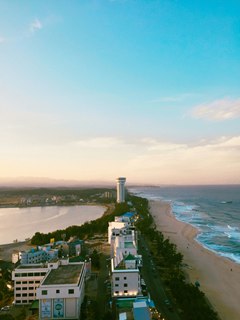
Photo: yumin-lee / Unsplash
Where Endless Blue Meets Golden Shores
When you picture South Korea, your mind might instantly leap to the neon-lit alleys of Seoul or the vibrant harbor scenes of Busan. Yet travelers seeking untamed coastal beauty head straight to Gangneung, a breezy cultural hub in Gangwon Province nestled against the open expanse of the East Sea. Right at the heart of this seaside escape lies Gyeongpo Beach, a beloved destination known for soft pale sand, rhythmic blue rollers, and lush evergreen groves that fringe the shoreline. Stretching across roughly 1.8 kilometers, the beach offers an expansive horizon where open ocean air completely replaces the hum of city traffic.
The geography here is uniquely captivating. Gyeongpo Beach forms a natural coastal sandbar that separates the rolling East Sea waves from Gyeongpo Lake, a tranquil lagoon resting right behind the sand. This rare setup gives visitors the chance to experience two completely distinct waterfronts within a two-minute walk: the energetic surf of the open sea on one side, and calm, mirror-flat freshwater on the other. The shoreline has long been admired for its soft texture, historically earning the poetic nickname myeongsaori, which translates to a five-ri stretch of remarkably fine sand.
 Take a 4-cut like this with your friends →
A Pavilion Steeped in History and Five Moons
Long before Gyeongpo became a popular getaway for weekend road trips, it served as an inspiring sanctuary for Joseon-era scholars, calligraphers, and poets. Perched on a gentle rise overlooking Gyeongpo Lake sits Gyeongpodae Pavilion, officially recognized as one of South Korea's historic national treasures. First erected in 1326 during the Goryeo Dynasty, the pavilion was relocated to its current scenic overlook in 1508 during the Joseon Dynasty. Built with twenty-eight supportive wooden pillars and a classic paljak (hip-and-gable) tiled roof, the open structure exemplifies traditional Korean architecture designed to frame the surrounding landscape rather than overpower it.
Inside the pavilion, ancient wooden placards showcase calligraphy and poetic verses penned by prominent literary figures, praising the stillness of the lake and the distant sea spray. The most enchanting story attached to Gyeongpodae is the timeless legend of the five moons. According to coastal lore, someone resting at the pavilion on a clear evening can witness five moons all at once: one shining high in the night sky, one mirrored on the surface of the lake, one dancing across the ocean waves, one reflected in a raised cup, and the fifth sparkling in the eyes of a loved one.
Breezes Through the Whispering Pine Forest
What truly defines Gyeongpo Beach's personality is the dense pine forest standing tall along the shore. Known locally as haesong, or coastal sea pines, these resilient trees were planted centuries ago to protect coastal communities and farmland from biting ocean winds. Today, the grove functions as a leafy sanctuary where sunlight filters gently through the needles, casting intricate shadows across winding boardwalks.
The refreshing aroma of evergreen resin blends with crisp ocean spray, creating a natural retreat that locals cherish for leisurely forest bathing. Well-maintained wooden pathways guide walkers effortlessly from the sandy shore straight into the shady woods, providing a peaceful escape from the midday sun. Running along the edge of the forest and around Gyeongpo Lake is a paved multi-kilometer recreational trail. Travelers frequently hire multi-person pedal carriages or bicycles to cruise past lakeside lotus patches, modern public art installations, and bird-watching decks.
Four Seasons of Vibrant Coastal Celebrations
Gyeongpo transforms dramatically with the turning of each season, offering visitors something distinct throughout the year. In early spring, hundreds of cherry trees bordering Gyeongpo Lake burst into bloom. The annual Gyeongpo Cherry Blossom Festival fills the lakeside with soft pink canopies, welcoming walkers and cyclists under swirling petals that drift over the water.
Summer brings dynamic energy to the sand. During peak swimming season, Gyeongpo Beach opens for ocean swimming, paddleboarding, and shoreline activities. Outdoor stages host live summer concerts and cultural art fairs right by the sand, while the nearby Gangneung Beach Beer Festival brings local flavors and craft brews together under warm evening breezes. In winter, the shoreline becomes a serene haven, culminating on January 1 when thousands of visitors bundle into cozy coats to watch the year's first sunrise break over the open sea during the coastal sunrise festival.
How to Plan Your East Coast Getaway
Reaching Gangneung from the capital is remarkably straightforward. High-speed KTX-Eum trains run frequently from central stations in Seoul straight through the Taebaek Mountains to Gangneung Station, completing the journey across the peninsula in around two hours. From the train station, local city buses and taxis reach Gyeongpo Beach in roughly fifteen to twenty minutes.
- Wake up for sunrise: Because Gyeongpo faces eastward over the open sea, dawn brings breathtaking orange and violet hues that illuminate the waves before crowds arrive.
- Taste local soft tofu: Head five minutes inland to Chodang Sundubu Village, a culinary enclave renowned for pillowy soft tofu crafted using clean seawater.
- Explore coastal café culture: Follow the coast slightly south to Anmok Beach, where oceanfront roasters feature multistory terraces overlooking the surf.
- Cycle the lake loop: Rent a cruiser or four-wheel surrey bike near the water to circle the scenic wetlands around Gyeongpo Lake.
Arrive in the late afternoon to experience the golden hour light slipping through the pine branches, then stay until dusk to see the historic Gyeongpodae Pavilion beautifully illuminated above the water.
Take a 4-cut photo with your friends here, wherever they are.